
Dental websites gain authority when they consistently demonstrate trust, relevance, and expertise through high quality content, strong SEO practices, credible backlinks, and a positive user experience. For dental practices competing in local search results, authority directly affects visibility on Google, patient trust, and appointment conversions.
A dental website with strong authority appears more credible to both search engines and potential patients. Higher authority often leads to better rankings for keywords such as cosmetic dentist, emergency dentist, family dental care, dental implants, and Invisalign provider. Building that authority requires a combination of technical optimization, content development, reputation management, and local SEO strategies.
Building Authority Through High Quality Dental Content
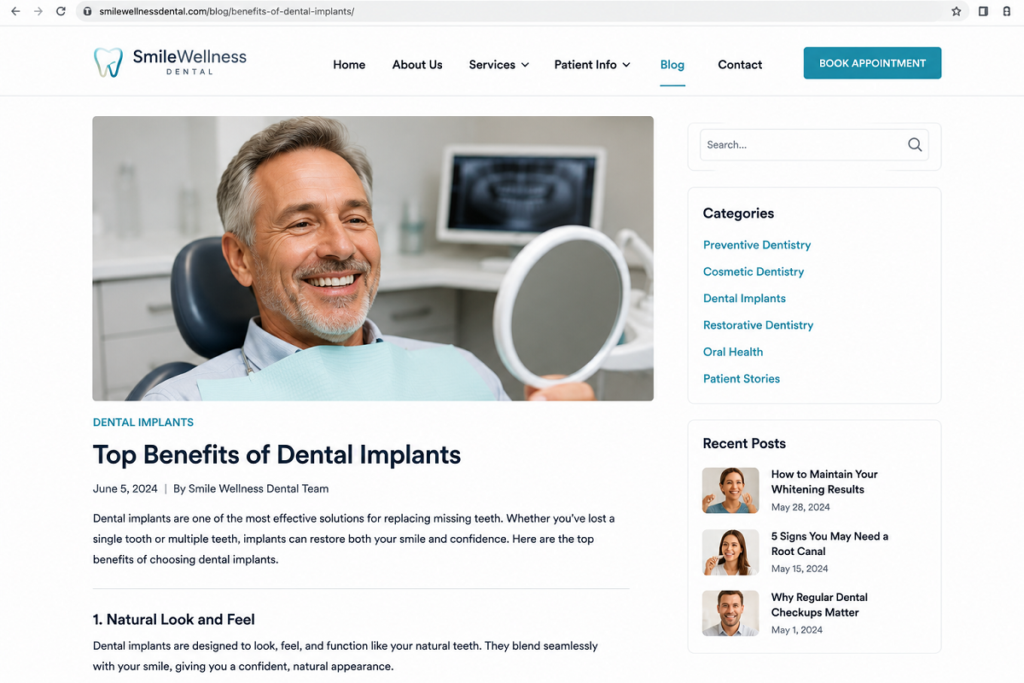
Content remains one of the strongest signals of authority for dental websites. Search engines prioritize websites that publish detailed, accurate, and relevant information that satisfies user intent.
Dental practices that regularly create informative pages and blog articles tend to rank better for competitive dental SEO keywords.
Create Service Pages With Depth
Thin service pages rarely perform well in search rankings. Every core dental service should have a dedicated page with valuable information.
Examples include:
- Dental implants
- Teeth whitening
- Root canal treatment
- Emergency dental care
- Pediatric dentistry
- Invisalign treatment
- Cosmetic dentistry
Each page should explain the treatment process, benefits, recovery expectations, candidacy, and common patient concerns. Including location based keywords naturally throughout the page helps improve local visibility.
Publish Educational Blog Content
Educational blog articles help dental websites target long tail keywords while demonstrating expertise.
Strong dental blog topics include:
- How long dental implants last
- Signs you need emergency dental care
- Best ways to prevent gum disease
- Foods that damage tooth enamel
- Invisalign vs braces comparison
- Recovery tips after tooth extraction
Blog content helps attract informational search traffic and increases opportunities for backlinks from other websites.
Use Keyword Optimization Naturally
Dental SEO relies heavily on keyword relevance. Keywords should appear naturally within:
- Headings
- Introductory paragraphs
- Meta descriptions
- Image alt text
- Internal links
- Service descriptions
Overusing keywords can harm readability and rankings. The goal is to align content with search intent while maintaining a natural flow.
Strengthening Local SEO Signals
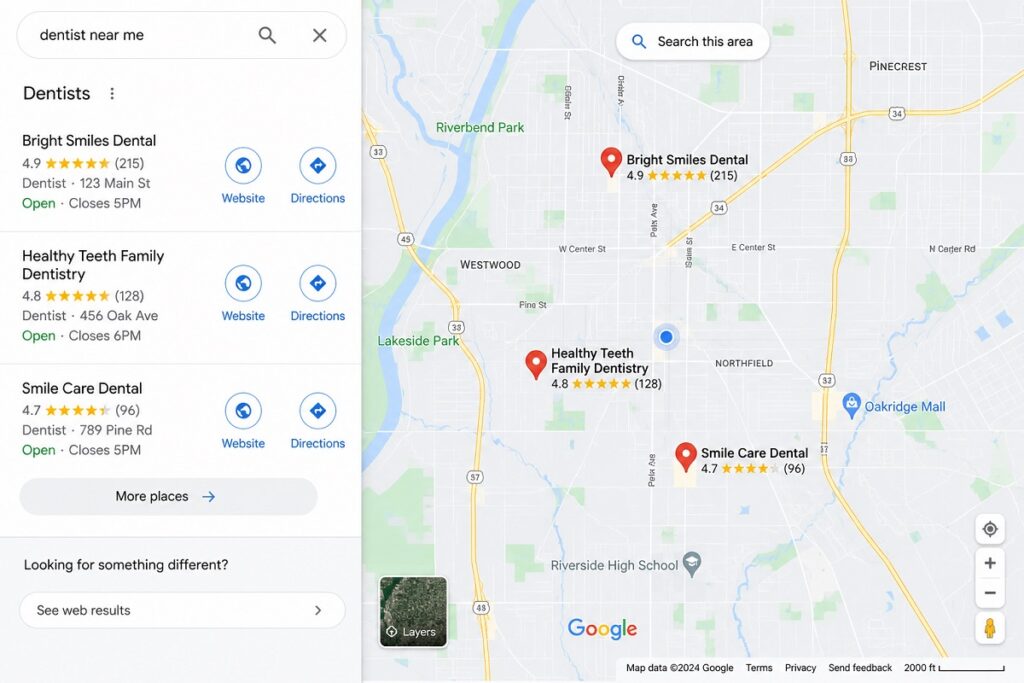
Most dental practices rely on local patients, making local SEO essential for authority building.
Google evaluates local relevance using consistency, reviews, geographic targeting, and local engagement signals.
Optimize Google Business Profile
A fully optimized Google Business Profile strengthens local search authority significantly.
Important optimization areas include:
- Accurate business name
- Correct address and phone number
- Updated office hours
- Dental service categories
- High quality office photos
- Patient reviews
- Appointment links
Consistent information across all platforms improves trust signals for search engines.
Build Local Citations
Local citations are online mentions of the dental practice name, address, and phone number. Consistency across directories strengthens local authority.
Useful citation sources include:
- Yelp
- Healthgrades
- Zocdoc
- Yellow Pages
- Bing Places
- Apple Maps
- Local chamber of commerce directories
Inconsistent information can confuse search engines and weaken local rankings.
Generate More Patient Reviews
Patient reviews contribute heavily to authority and trust.
Google reviews influence:
- Local pack rankings
- Click through rates
- Patient trust
- Brand credibility
Practices with a steady stream of authentic reviews often outperform competitors in local searches.
Encourage reviews by:
- Sending follow up emails
- Using QR codes in the office
- Asking satisfied patients directly
- Including review links on the website
Responding professionally to reviews also signals engagement and reliability.
Earning High Quality Backlinks
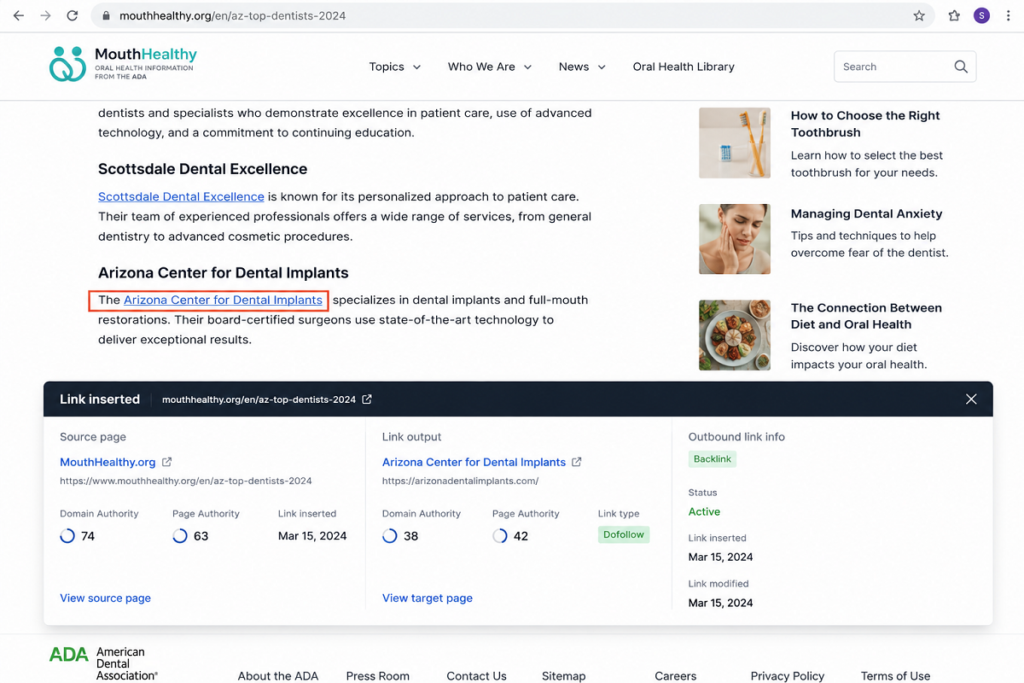
Backlinks remain one of the strongest ranking factors in SEO. Dental websites gain authority when trusted websites link back to their content.
Quality matters far more than quantity.
Focus on Relevant Healthcare Links
Links from medical and dental related websites carry strong authority signals.
Valuable backlink sources include:
- Dental associations
- Local healthcare organizations
- Dental suppliers
- Community sponsorships
- University publications
- Healthcare blogs
A backlink from a respected dental organization is more valuable than dozens of unrelated low quality links.
Publish Link Worthy Content
Content that provides unique value naturally attracts backlinks.
Examples include:
- Dental statistics articles
- Oral health research summaries
- Local dental care guides
- Before and after treatment resources
- Preventive care checklists
Comprehensive resources increase the chances of earning mentions from journalists, bloggers, and healthcare websites.
Avoid Low Quality Link Building
Spammy backlinks can damage a dental website’s authority.
Practices should avoid:
- Purchased backlinks
- Private blog networks
- Irrelevant directory spam
- Automated link schemes
Search engines prioritize authenticity and relevance over artificial link volume.
Improving Website Performance and User Experience
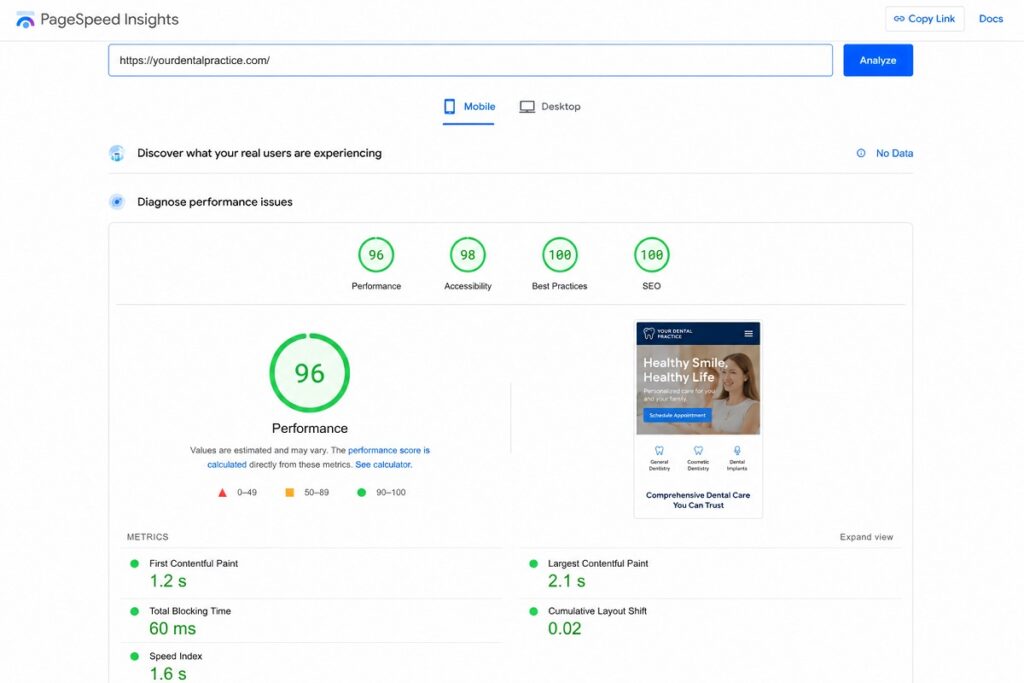
Search engines reward websites that provide strong user experiences. A slow, outdated, or difficult website reduces authority signals.
Increase Website Speed
Page speed directly affects rankings and patient retention.
Ways to improve speed include:
- Compressing images
- Using fast website hosting
- Reducing unnecessary plugins
- Enabling browser caching
- Optimizing mobile performance
Fast websites create better user engagement metrics, which can support SEO performance.
Optimize for Mobile Devices
Most dental searches happen on smartphones. Mobile optimization is critical for both rankings and conversions.
A mobile friendly dental website should include:
- Responsive design
- Easy navigation
- Click to call functionality
- Fast loading pages
- Readable text sizes
- Accessible appointment forms
Poor mobile experiences often lead to higher bounce rates.
Improve Site Structure
Clear website architecture helps both users and search engines navigate content efficiently.
Strong dental website structures typically include:
- Organized service categories
- Internal linking between related pages
- Simple navigation menus
- Dedicated location pages
- FAQ sections
Well organized sites distribute authority more effectively across pages.
Demonstrating Expertise and Trust
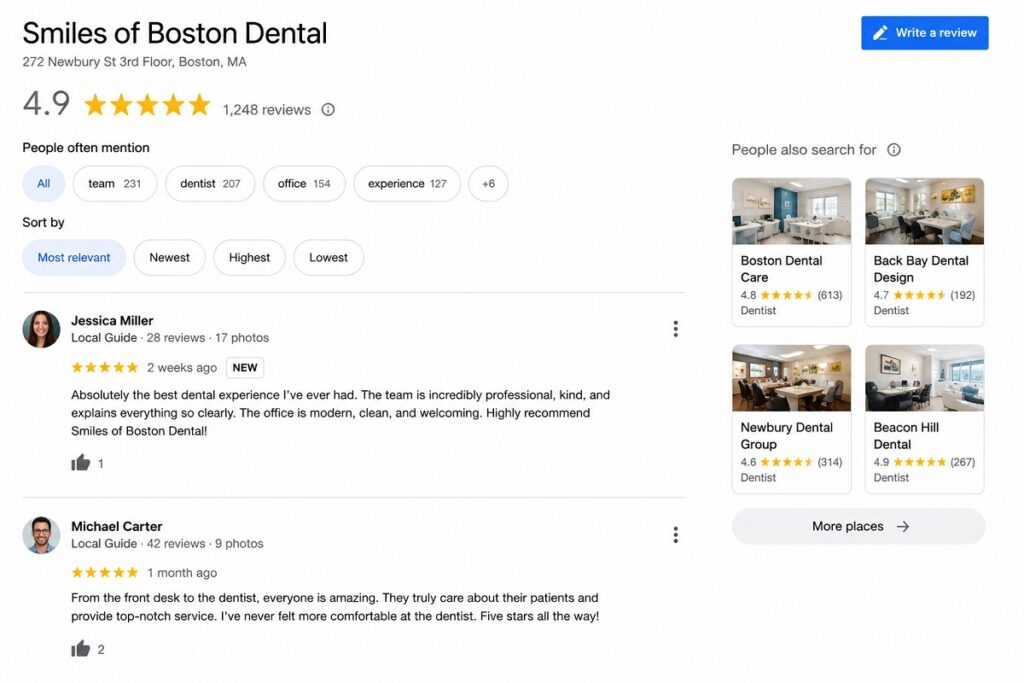
Authority is closely connected to credibility. Dental websites that demonstrate expertise tend to perform better in search results.
Showcase Dentist Credentials
Patients want reassurance before scheduling appointments.
Include information such as:
- Dental education
- Certifications
- Professional memberships
- Years of experience
- Continuing education
- Specialized training
These trust signals help strengthen both patient confidence and SEO authority.
Add Authoritative Content Elements
Content backed by expertise performs better than generic writing.
Helpful additions include:
- Dentist authored articles
- Clinical case studies
- Treatment explanations
- Video demonstrations
- FAQ sections
- Patient success stories
Expert driven content aligns with Google’s emphasis on experience and expertise.
Use Secure Website Technology
HTTPS encryption is a trust factor for both users and search engines.
Security improvements include:
- SSL certificates
- Secure forms
- Updated plugins
- Malware protection
- HIPAA compliant contact handling
Security issues can damage both rankings and patient trust.
Using Internal Linking to Build Authority
Internal links help search engines understand relationships between pages while distributing ranking power across the site.
Connect Related Content
For example:
- A dental implants page can link to bone grafting content
- A teeth whitening article can link to cosmetic dentistry services
- Emergency dental pages can link to root canal treatments
Strategic internal linking increases page relevance and keeps visitors engaged longer.
Strengthen Priority Pages
High authority pages can pass value to important conversion pages.
Examples include linking blog articles to:
- Appointment pages
- Service pages
- Contact forms
- Location pages
This improves visibility for revenue generating pages.
Creating Geo Targeted Dental Content
Location relevance is essential for local dental SEO authority.
Develop City Specific Pages
Practices serving multiple locations should create unique pages for each city or neighborhood.
Examples:
- Family dentist in Denver
- Emergency dentist in Glendale
- Cosmetic dentist near Cherry Creek
Each page should contain unique local content rather than duplicated text.
Include Local References Naturally
Mentioning nearby landmarks, neighborhoods, and community involvement helps reinforce local relevance.
This can include:
- Local sponsorships
- Community events
- School partnerships
- Nearby service areas
Local engagement strengthens geographic authority signals.
Tracking SEO and Authority Growth
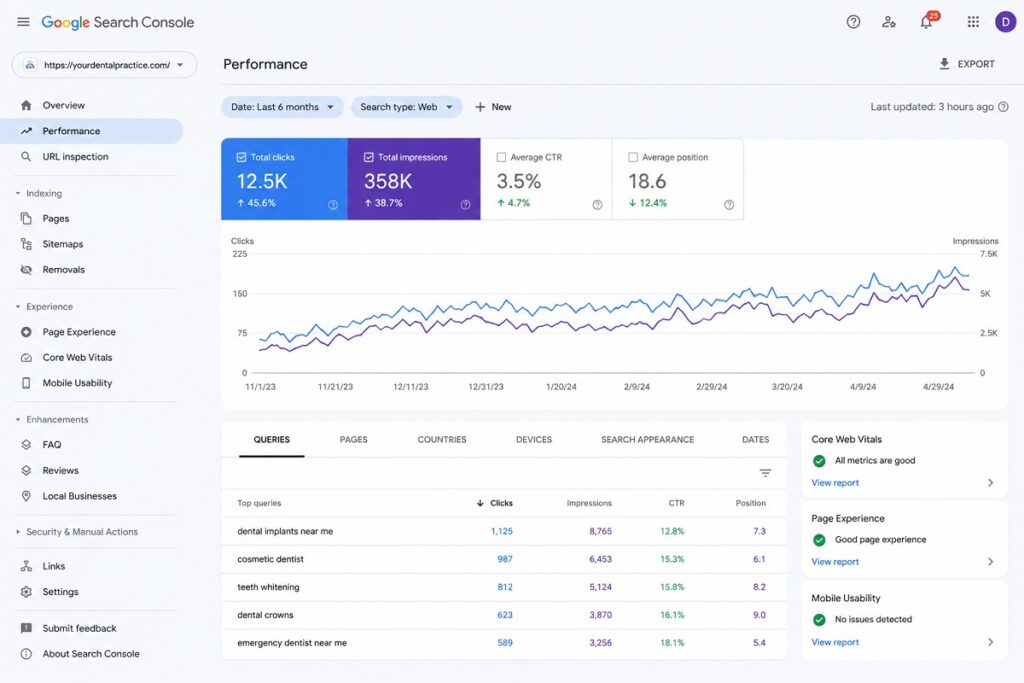
Dental websites gain authority gradually through consistent optimization and monitoring.
Monitor Keyword Rankings
Tracking rankings helps identify which pages are gaining visibility.
Important dental SEO keyword categories include:
- Service keywords
- Local keywords
- Treatment specific phrases
- Emergency care searches
- Branded searches
Regular monitoring helps guide content strategy.
Analyze User Behavior Metrics
Search engines evaluate engagement indicators such as:
- Bounce rate
- Time on page
- Click through rate
- Mobile usability
- Conversion activity
Strong engagement suggests content quality and relevance.
Update Existing Content
Refreshing older content helps maintain authority over time.
Useful updates include:
- Adding new treatment information
- Updating statistics
- Improving internal links
- Expanding FAQs
- Enhancing readability
Consistent content maintenance prevents rankings from declining.
Authority Growth Requires Consistency
Dental websites gain authority through consistent SEO efforts, valuable patient focused content, strong local optimization, credible backlinks, and a technically sound user experience. Practices that invest in high quality content and trustworthy online signals position themselves more effectively in competitive local search results.
As search engines continue prioritizing expertise, relevance, and user satisfaction, dental websites that provide genuine value and maintain strong SEO foundations are more likely to attract qualified traffic, build patient trust, and increase appointment bookings over time.
Content reviewed and published by Parrot Branding Editorial Team.