
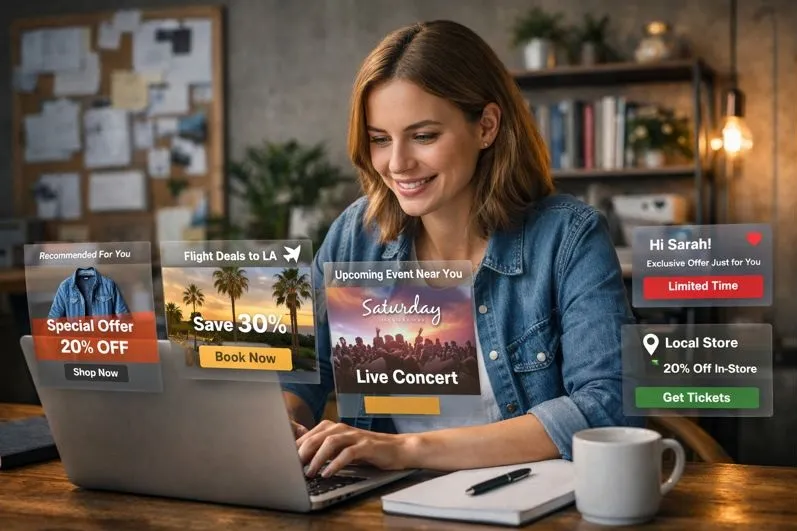
How to use dynamic content blocks in email is a practical skill for marketers who want to deliver more relevant, personalized, and performance-driven campaigns. Dynamic content blocks allow you to change sections of an email based on subscriber data, behavior, or preferences, helping each recipient see content that feels tailored to them rather than generic.
Email personalization has evolved beyond using a first name. Dynamic content makes it possible to adapt images, text, calls to action, and offers in real time, improving engagement and conversion rates while reducing manual effort.
Planning Your Dynamic Content Strategy
Before building dynamic content blocks, it is important to define clear goals. Dynamic content works best when it is aligned with specific campaign objectives rather than used everywhere by default.
Start by identifying what you want to improve, such as click-through rates, product discovery, or repeat purchases. Then map those goals to the data you already have available.
Key planning considerations include:
- The audience segments you want to target
- The data points you can reliably use
- The parts of the email that benefit most from personalization
- How success will be measured
Clear planning ensures dynamic content enhances the message instead of making it feel fragmented.
Choosing the Right Data for Dynamic Content Blocks
Dynamic content blocks rely on data, and the quality of that data directly affects performance. Using inaccurate or outdated information can lead to irrelevant emails and reduced trust.
Common data sources used for dynamic email content include:
- Demographic information such as location or age range
- Behavioral data like browsing history or past purchases
- Engagement data such as email opens or link clicks
- Preference center selections
- Lifecycle stage or customer status
Focus on data that is consistently collected and easy to update. Simple personalization based on reliable data often outperforms complex rules built on weak data.
Structuring Emails with Dynamic Content Blocks

A well-structured email balances static and dynamic elements. Static content maintains brand consistency, while dynamic blocks provide relevance.
Typical sections that work well as dynamic content blocks include:
- Hero images
- Product recommendations
- Promotional offers
- Call-to-action buttons
- Content modules such as blog links or guides
Keep the overall layout stable so the email feels cohesive. Dynamic blocks should enhance the message, not change the entire structure for each recipient.
Segment-Based Dynamic Content
Segment-based dynamic content changes based on predefined audience groups. This approach is one of the most effective and manageable ways to use dynamic content blocks in email marketing.
Examples of segment-based personalization include:
- Showing different offers to new subscribers and existing customers
- Highlighting product categories based on past purchases
- Adjusting messaging for different industries or job roles
- Promoting local events or store locations
Segment-based rules are easier to test and troubleshoot, making them ideal for teams getting started with dynamic email content.
Behavior-Triggered Dynamic Content
Behavior-triggered dynamic content uses real-time or recent actions to customize email content. This approach is highly effective because it reflects actual user intent.
Common use cases include:
- Displaying recently viewed products
- Recommending complementary items after a purchase
- Highlighting content related to recently clicked links
- Adjusting urgency messaging based on engagement level
When using behavior-based dynamic blocks, timing matters. Ensure emails are sent while the behavior is still relevant to maximize impact.
Using Location-Based Dynamic Content

Location-based dynamic content blocks help tailor emails based on geographic data. This can be especially valuable for businesses with regional offers or time-sensitive promotions.
Ways to use location-based dynamic content include:
- Showing prices in local currency
- Promoting nearby store locations
- Adjusting shipping information and delivery timelines
- Featuring region-specific events or weather-related messaging
Location data should be used thoughtfully. Overly precise location targeting can feel intrusive, so focus on value-driven personalization.
Personalizing Visual Elements
Dynamic content blocks are not limited to text. Visual personalization can significantly increase engagement when done correctly.
Examples of dynamic visual elements:
- Hero images tailored to customer interests
- Product images based on browsing or purchase history
- Banners promoting category-specific offers
- Seasonal visuals adjusted by location
Ensure all dynamic images are optimized for email load times and have fallback options in case content fails to render.
Creating Dynamic Calls to Action
Calls to action are a powerful place to use dynamic content. Small changes in wording or destination can lead to meaningful performance improvements.
Dynamic CTA variations may include:
- Different button text based on lifecycle stage
- Links pointing to personalized landing pages
- Offers adjusted by loyalty status
- Urgency messaging based on past engagement
Keep CTA changes subtle and focused. The goal is to guide the recipient toward the most relevant next step.
Managing Fallback Content
Fallback content is essential when working with dynamic content blocks. Not every subscriber will meet the conditions for a dynamic rule, and emails should still make sense in those cases.
Best practices for fallback content include:
- Writing neutral but relevant default messaging
- Avoiding empty sections or broken layouts
- Ensuring fallback content aligns with the overall campaign goal
Fallback content protects deliverability and user experience while ensuring every recipient receives a complete email.
Testing Dynamic Content Blocks Before Sending

Testing is critical when using dynamic content in email campaigns. Even small logic errors can result in incorrect content being shown.
Testing should cover:
- Multiple audience segments
- Edge cases where data may be missing
- Mobile and desktop rendering
- Load times for dynamic images
Use internal test profiles that represent different customer types. This helps catch issues early and builds confidence before sending at scale.
Measuring Performance of Dynamic Email Content
To understand how well dynamic content blocks perform, track metrics beyond basic open rates. Focus on engagement and conversion indicators tied to personalization.
Key metrics to monitor include:
- Click-through rates by segment
- Conversion rates from personalized offers
- Revenue per email
- Engagement lift compared to static campaigns
Comparing dynamic and non-dynamic versions of similar emails can reveal which content blocks deliver the most value.
Avoiding Common Mistakes with Dynamic Content
Dynamic content blocks offer flexibility, but misuse can reduce effectiveness. Awareness of common pitfalls helps maintain quality and consistency.
Mistakes to avoid include:
- Over-personalizing every element of the email
- Using unreliable or outdated data
- Creating overly complex rules that are hard to manage
- Forgetting to test fallback scenarios
Simplicity and relevance should guide every dynamic content decision.
Scaling Dynamic Content Across Campaigns
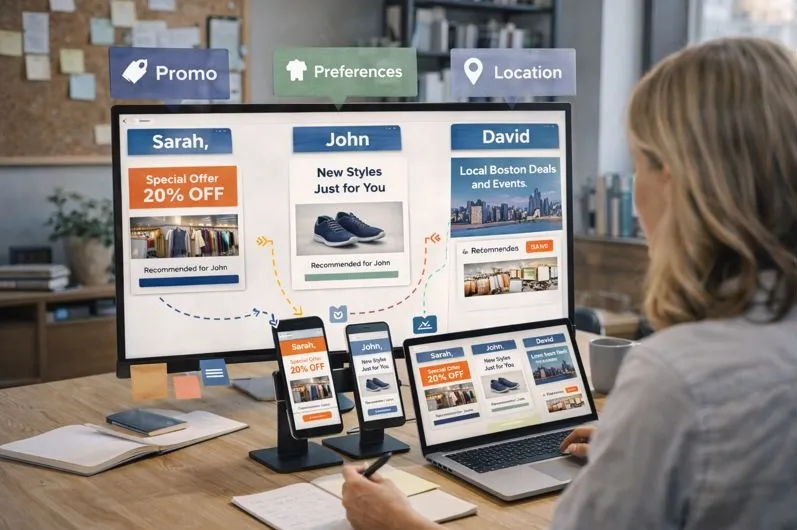
Once dynamic content blocks are performing well, they can be scaled across multiple campaigns and automations. Reusable modules save time and ensure consistency.
Ways to scale effectively:
- Build a library of tested dynamic content blocks
- Standardize naming and rule logic
- Document data dependencies and conditions
- Regularly review performance and update content
Scaling should focus on repeatable success rather than adding complexity for its own sake.
Dynamic content blocks in email provide a practical way to deliver more relevant experiences without increasing manual workload. By planning carefully, using reliable data, testing thoroughly, and measuring results, marketers can use dynamic content to improve engagement, conversions, and long-term subscriber relationships while maintaining a consistent brand presence.
Content reviewed and published by Parrot Branding Editorial Team.