
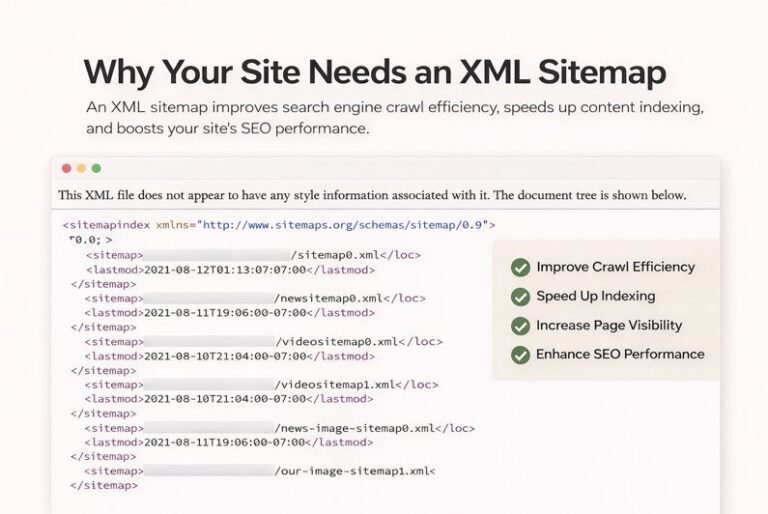
Why your site needs an XML sitemap becomes clear when you look at how search engines discover, crawl, and prioritize content. An XML sitemap acts as a direct communication channel between your website and search engines, helping them understand which pages exist, how often they change, and which ones matter most. For websites competing for visibility in search results, this is not optional support, it is a foundational SEO asset.
An XML sitemap does not replace strong content or good internal linking. It strengthens them by ensuring search engines can efficiently access and evaluate your pages without friction or guesswork.
Improving Search Engine Crawl Efficiency

Search engines rely on crawlers to scan and index websites. These crawlers have limited time and resources assigned to each site, known as crawl budget. When that budget is wasted on unimportant or hard to reach pages, important content may be overlooked.
An XML sitemap improves crawl efficiency by guiding search engines directly to relevant URLs.
How it helps crawlers prioritize pages
An XML sitemap provides structured signals that help search engines allocate their crawl budget more effectively.
- Lists all indexable URLs in one location
- Highlights pages that are updated frequently
- Indicates which URLs are more important than others
- Reduces reliance on complex internal navigation
This is especially valuable for large websites, ecommerce stores, or blogs with hundreds or thousands of pages.
Ensuring All Important Pages Are Discovered
Even well designed websites can have pages that are difficult for search engines to find. Pages buried deep in navigation, orphan pages without internal links, or dynamically generated URLs may not be discovered naturally.
An XML sitemap ensures that all important pages are visible to search engines.
Pages that benefit the most
Some types of pages are more likely to be missed without a sitemap.
- Newly published pages with few backlinks
- Pages created through filters or search parameters
- Seasonal landing pages
- Archived or updated content
- Pages linked only through JavaScript
Including these URLs in an XML sitemap increases the likelihood that they are crawled and indexed correctly.
Supporting Faster Indexing of New Content
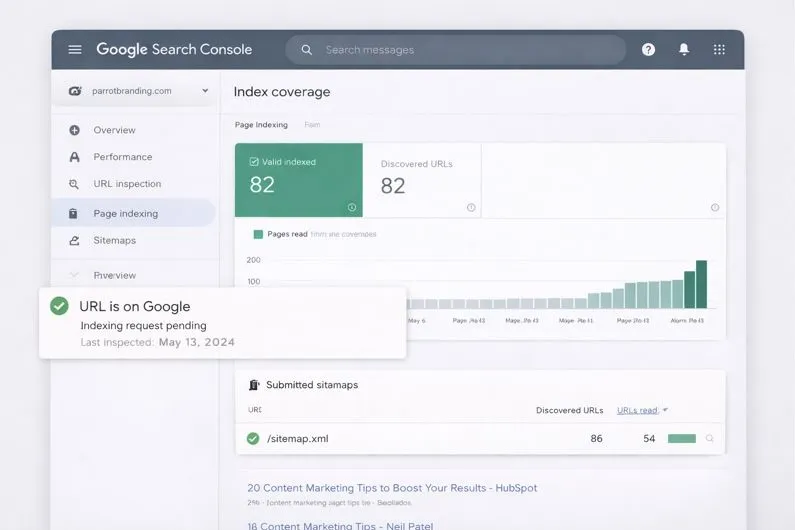
Publishing new content does not guarantee immediate visibility in search results. Without clear signals, search engines may take days or weeks to discover new pages.
An XML sitemap helps accelerate indexing by notifying search engines that new URLs exist.
Faster discovery leads to faster rankings
When your sitemap is updated and submitted through tools like Google Search Console, it acts as a prompt for search engines to revisit your site.
Benefits include:
- Quicker indexing of new blog posts
- Faster visibility for new product pages
- Reduced delay for updated content
- Improved responsiveness to site changes
For content driven websites, this speed can make a measurable difference in traffic growth.
Enhancing SEO for Large and Complex Websites
Why your site needs an XML sitemap becomes even more important as site complexity increases. Large websites often struggle with crawl depth, duplicate URLs, and inefficient internal linking.
An XML sitemap provides structure and clarity where complexity exists.
Managing scale without losing visibility
For enterprise level sites or growing platforms, XML sitemaps help maintain SEO performance.
- Helps search engines handle thousands of URLs
- Supports multiple sitemap files for better organization
- Prevents key pages from being ignored
- Improves index coverage reporting
Sitemaps can be segmented by content type, such as blog posts, product pages, or categories, allowing more precise crawling and monitoring.
Improving Index Coverage and Error Detection
Search engines provide detailed feedback on how they interpret your sitemap. This makes XML sitemaps a powerful diagnostic tool, not just a discovery mechanism.
Using sitemaps to identify problems
Submitting an XML sitemap allows you to detect issues that may be limiting your SEO performance.
Common insights include:
- Pages excluded from indexing
- URLs blocked by robots.txt
- Redirect errors
- Server response issues
- Duplicate or canonical conflicts
By reviewing sitemap reports, you can quickly address technical SEO issues before they impact rankings.
Strengthening Internal SEO Signals

An XML sitemap reinforces internal SEO signals by clearly defining which pages are intended for indexing. This reduces ambiguity for search engines and helps align your technical setup with your SEO strategy.
Clear signals reduce misinterpretation
Search engines evaluate many factors to decide which pages to index. A sitemap acts as confirmation that listed URLs are intentional and valuable.
This clarity helps:
- Prevent indexing of low value pages
- Reinforce canonical URLs
- Align crawl behavior with site priorities
- Reduce wasted crawl activity
When combined with proper internal linking and metadata, an XML sitemap creates a stronger overall SEO framework.
Supporting Media and Specialized Content
Modern websites often include more than standard web pages. Images, videos, and news content all benefit from sitemap support when implemented correctly.
Specialized sitemaps improve visibility
In addition to standard XML sitemaps, specialized sitemap formats help search engines understand non traditional content.
- Image sitemaps improve image search visibility
- Video sitemaps enhance video indexing
- News sitemaps support timely content discovery
These formats ensure that rich media content contributes to organic traffic instead of remaining underutilized.
Helping Search Engines Understand Site Structure
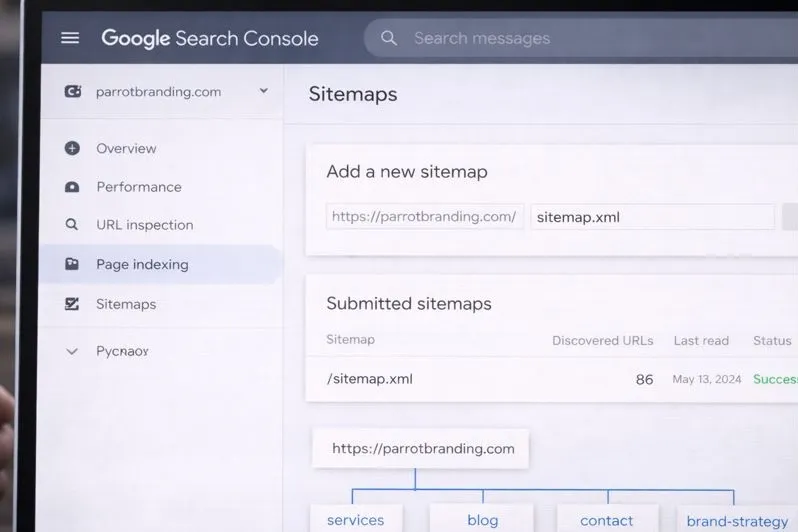
Search engines analyze site architecture to determine relevance and authority. An XML sitemap provides a high level overview of your site structure, reinforcing logical organization.
Clear hierarchy supports ranking signals
When your sitemap reflects a clean hierarchy, it helps search engines interpret relationships between pages.
Benefits include:
- Better understanding of category and subcategory pages
- Improved contextual relevance
- Stronger topical authority signals
- More consistent indexing behavior
This structural clarity can indirectly support better rankings by improving how search engines evaluate your content.
Benefiting Websites with Limited Internal Linking
Not all websites have perfect internal linking. Some pages may exist primarily for conversions, campaigns, or external traffic rather than navigation.
An XML sitemap ensures these pages are still accessible to search engines.
Bridging internal gaps
For pages that are not heavily linked internally, a sitemap serves as a safety net.
Examples include:
- Landing pages for ads
- Email campaign pages
- Temporary promotional URLs
- Location specific pages
Including them in your sitemap prevents them from being overlooked due to limited internal links.
Improving SEO Performance During Site Changes

Website updates such as redesigns, migrations, or structural changes can disrupt SEO if not managed carefully. XML sitemaps help stabilize indexing during transitions.
Maintaining continuity
During major site changes, a sitemap helps search engines adjust more smoothly.
- Confirms which URLs are still active
- Highlights new or updated pages
- Helps detect broken or missing URLs
- Supports faster reindexing
This reduces the risk of traffic loss caused by confusion or outdated indexing.
Supporting Better Reporting and SEO Strategy
An XML sitemap is not just a technical file. It is also a strategic tool that provides insight into how search engines interact with your website.
Data driven optimization
By analyzing sitemap reports, you gain actionable data.
- Identify pages not indexed despite being submitted
- Monitor crawl frequency and patterns
- Evaluate the impact of site updates
- Refine SEO priorities based on coverage
This feedback loop allows for smarter SEO decisions and continuous improvement without relying on guesswork.
Why Ignoring an XML Sitemap Holds Your Site Back
Choosing not to use an XML sitemap creates unnecessary obstacles for search engines. While some pages may still be discovered, the process becomes slower and less reliable.
Without a sitemap, you risk:
- Slower indexing of new content
- Missed pages and incomplete coverage
- Inefficient crawl budget usage
- Reduced visibility for deep pages
For websites focused on organic growth, these limitations compound over time.
Why your site needs an XML sitemap ultimately comes down to control, efficiency, and visibility. It ensures search engines can find, crawl, and index your most important pages without friction. It strengthens technical SEO, supports faster indexing, improves diagnostics, and reinforces site structure.
For businesses, publishers, and content creators alike, an XML sitemap is a practical tool that directly supports better search engine performance. When implemented correctly and kept up to date, it becomes a silent but powerful contributor to long term SEO success.
Content reviewed and published by Parrot Branding Editorial Team.